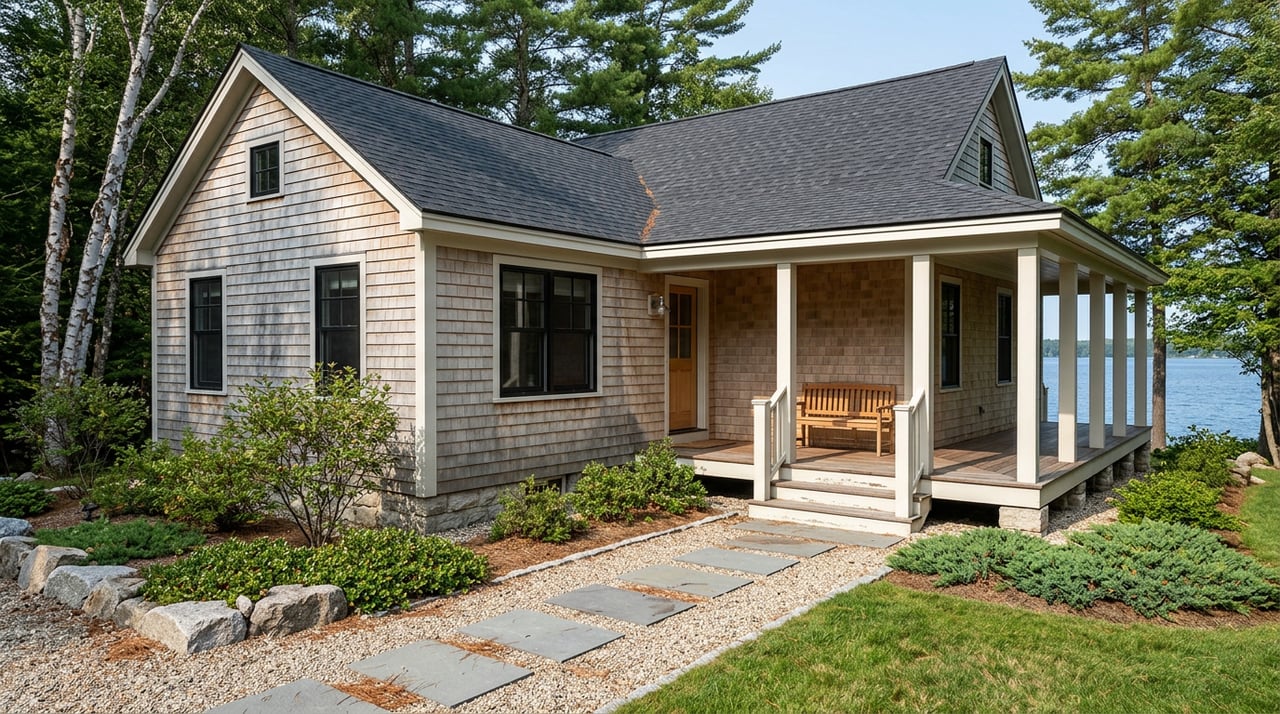
If you dream of waking up to Little Traverse Bay, your biggest choice is where along it you want to live. Around Harbor Springs, every waterfront setting offers a different rhythm. This guide breaks down in-town cottages, bluff-top homes, and secluded shoreline along M‑119, plus what to know about marinas, permits, utilities, and four-season fun. Let’s dive in.
Why Harbor Springs feels unique
Harbor Springs is compact, walkable, and oriented to the water. The City’s Master Plan highlights a downtown that protects views and pedestrian access, which helps the harbor remain the town’s natural heart (Harbor Springs Master Plan, 2022).
On the water itself, local policy focuses on balance. The City’s Harbor Plan maps mooring areas, slow or no‑wake zones, and an extent‑of‑development line that guides where docks and in‑water improvements belong. Its goal is to keep sightlines open and public shoreline access strong while still supporting boating life (Harbor Plan, 2022).
In‑town cottages: walk and launch
If you want a front-porch lifestyle within steps of coffee, dining, and the harbor, in‑town cottages deliver. You get short blocks, historic cottage scale, and easy access to the waterfront.
The City operates a municipal marina with seasonal and transient slips, pump‑outs, and a nearby launch ramp at Ford Park. It lists 33 seasonal slips and 44 transient slips and sits a short walk from shops and restaurants (Harbor Springs Municipal Marina). That makes day boating simple and invites spontaneous evening walks on the waterfront.
Know before you buy:
- Expect lively summer energy and more visitor traffic.
- If rental income matters, the City requires licensing for short‑term rentals and enforces rules to protect neighborhood character (Short‑Term Rental Licensing).
- Ask early about slip availability and waitlists if you plan to keep a boat in town.
Bluff‑top homes: views with privacy
Bluff neighborhoods rise above the bay with sweeping panoramas. Homes range from classic cottages to larger, newer builds that frame broad water views.
Access is usually a quick drive to downtown, though some properties include stairs or boardwalks down the slope. Because bluffs are visually sensitive and prone to drainage or erosion concerns, the Master Plan encourages careful design and view preservation, which can affect additions and new construction (Master Plan, 2022).
Practical tips:
- Budget for site engineering that addresses stormwater and slope stability.
- Confirm setbacks, height limits, and any waterfront overlays that may shape a project’s size and siting.
- If a bluff boardwalk is present or planned nearby, understand its status and maintenance needs.
Secluded shoreline: Tunnel of Trees and private points
If you prefer quiet coves, larger lots, and a woodland feel, look to the scenic M‑119 corridor and nearby private points. The famous Tunnel of Trees delivers winding, narrow views of Lake Michigan with a distinctly rural character (M‑119 “Tunnel of Trees” overview). You will also find historic resort associations and long-held enclaves that feel tucked away.
What to expect:
- Longer drive times to downtown, especially along M‑119’s scenic but narrow route.
- Some homes sit on private roads with private wells and septic systems, rather than City utilities. Harbor Springs reports about 1,336 water and 1,078 sewer customers, so not every lakeshore property is on municipal service (City Utilities).
- Association rules may guide exterior changes or shoreline use in certain enclaves. Ask for documents early in due diligence.
Boating, marinas, and clubs
Harbor Springs’ harbor is set up for active boating. The municipal marina offers seasonal and transient dockage, pump‑outs, and amenities close to restaurants and shops (Municipal Marina). Private marinas and service yards in town provide storage, maintenance, and brokerage support, which helps if you run a larger vessel or want full-service care.
Sailing is a big part of the culture. The Little Traverse Yacht Club anchors summer racing and junior programs on the town waterfront, and it doubles as a social hub for many local and seasonal residents (Little Traverse Yacht Club).
Parks, beaches, and trails
You get a generous set of public places to enjoy the shoreline, whether you live in town, on the bluff, or farther up the coast. City Beach at Zorn Park, Marina Park, and Kiwanis Park are among the most used and beloved public spaces according to the City’s Parks & Recreation Master Plan (Parks & Recreation Master Plan).
The Little Traverse Wheelway connects Harbor Springs to Petoskey for scenic rides and runs along the bay. In-town sidewalks and bluff-view paths are planning priorities that keep the water visually and physically accessible.
Four‑season living
Summer brings regattas, waterfront events, and late-evening walks. Fall means color tours on M‑119 and quiet rides along the Wheelway. Winter is a highlight too, with Nub’s Nob offering downhill and Nordic options just minutes away (Nub’s Nob). Downtown also hosts cold‑weather programming that keeps a sense of community year‑round.
Permits, shoreline law, and zoning
On the Great Lakes, bottomlands are held in the public trust by the State. If you plan docks, fill, or structures below the ordinary high water mark, expect state review or a permit through EGLE’s submerged lands program. The City’s Harbor Plan coordinates local review with those state processes (EGLE Great Lakes Submerged Lands).
Know the boundary. Michigan case law discusses how the ordinary high water mark defines the line between public trust bottomlands and private upland, which can affect where improvements go (Michigan OHWM case law). Locally, expect the Waterfront zoning area and the Harbor Plan’s extent‑of‑development line to guide height, setbacks, and in‑water limits. If you are planning a remodel or new build, verify zoning early.
Quick buyer checklist
- Confirm whether the property sits inside City limits or in a township. Rules and utilities differ.
- Ask about dockage. Check municipal slip counts, waitlists, and private marina options.
- Verify shoreline rights and any bottomlands leases or conveyances. Order a title review.
- If you want to rent short‑term, confirm licensing and neighborhood restrictions.
- Check water and sewer availability. If on well and septic, plan for inspections and maintenance.
- For bluff lots, order site and soils reviews focused on drainage and slope stability.
- If you plan year‑round use along M‑119, consider winter driving, plowing, and accessibility.
Ready to compare specific streets and shoreline pockets to your lifestyle? Let’s talk about views, access, and the details that shape value.
If you want a private, expert look at current opportunities on the water, schedule a conversation with Pat Leavy - Kidd & Leavy Real Estate. You will get local guidance on settings, permits, utilities, and market timing tailored to your goals.
FAQs
What are the main differences among in‑town, bluff, and M‑119 shoreline living in Harbor Springs?
- In‑town is walkable and lively near shops and the marina, bluffs trade walkability for panoramic views and design care, and M‑119 pockets favor privacy and longer drives.
How close are in‑town Harbor Springs cottages to boat slips and services?
- You can walk to the municipal marina for seasonal or transient dockage, pump‑outs, and a nearby launch ramp, with dining and shops steps away.
What permits might I need for a new dock or shoreline work on Little Traverse Bay?
- Work below the ordinary high water mark generally requires state review or permits; the City’s Harbor Plan coordinates local review with those processes.
Are Harbor Springs waterfront homes on city water and sewer?
- Many are, but not all; shoreline properties outside the City often rely on private wells and septic, so verify service during due diligence.
Is short‑term renting allowed for Harbor Springs waterfront properties?
- Yes, with a required City short‑term rental license and compliance with local rules and any neighborhood or association restrictions.
What winter concerns should I consider if I buy along the M‑119 Tunnel of Trees?
- M‑119 is narrow and scenic, so expect slower winter driving, potential plowing needs, and planning for reliable year‑round access.