Do you picture coffee on the porch of a century-old cottage or the ease of a turn-key new build? In Petoskey, both paths offer something special, from walkable charm near the Bay to modern comfort with low maintenance. You want the right fit for your lifestyle, budget, and long-term plans. This guide breaks down the trade-offs so you can move forward with confidence. Let’s dive in.
Petoskey market context
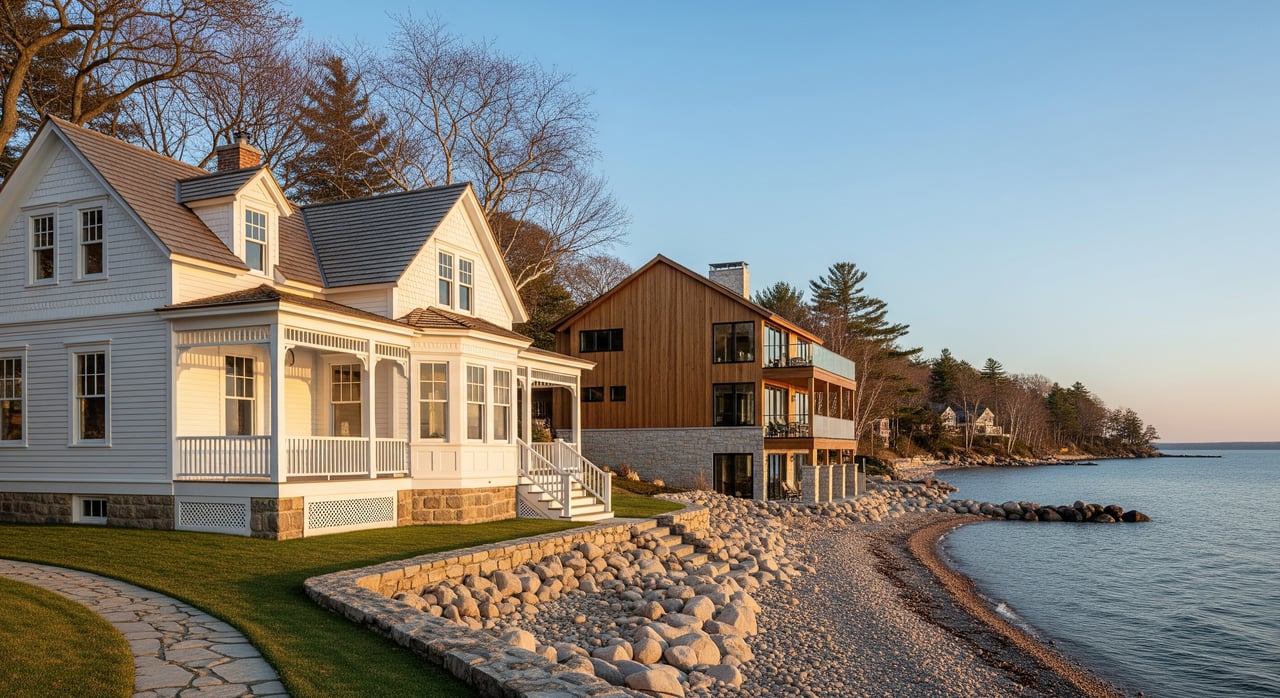
Petoskey blends historic cottages near downtown and Little Traverse Bay with newer infill homes, subdivisions on the outskirts, and custom lakeshore builds. Buyers include second-home owners, retirees, and those relocating for a Northern Michigan lifestyle. Location, walkability, and water access often drive demand.
A well-kept historic cottage in a desirable area can command a premium for character and proximity. New builds often win on energy efficiency, accessibility, and predictable upkeep, especially on larger parcels with privacy.
Historic cottage at a glance
Historic cottages often deliver irreplaceable character, mature trees, and established neighborhoods. You might find original millwork, porches, and unique floor plans that tell a story. Many are close to downtown and the waterfront, which adds lifestyle value.
Older construction can mean stone or block foundations, original plaster, and older windows. Without upgrades, insulation may be limited and systems may be dated. Energy bills can run higher unless the home has been thoughtfully retrofitted.
Plan for careful inspections and potential upgrades to plumbing, electrical, roofing, and drainage. Homes built before 1978 require lead-safe work practices during renovation and lead disclosures during a sale. Renovations can be highly rewarding, but costs per square foot are often higher due to hidden conditions and the need for specialist trades.
New build at a glance
New construction typically offers open layouts, modern kitchens, and integrated systems that meet current code. You benefit from builder warranties and lower short-term maintenance. Energy-efficient envelopes, windows, and mechanicals can reduce operating costs.
Accessibility features and flexible spaces are easier to incorporate from day one. You may trade mature landscaping and vintage charm for predictability and performance. In some neighborhoods, subdivision covenants or HOA rules may guide exterior aesthetics and future changes.
Quick comparison
| Factor | Historic Cottage | New Build |
|---|---|---|
| Lifestyle appeal | Character, walkability, established settings | Modern comfort, open plans, low maintenance |
| Systems/efficiency | Often needs upgrades to reach modern efficiency | Code-compliant, typically energy efficient |
| Maintenance risk | Higher near-term risk without updates | Lower near-term risk with warranties |
| Rules/approvals | Possible historic district review for exteriors | Possible HOA or covenant rules |
| Renovation flexibility | Rewarding but can be complex and costly | Easier planning, fewer unknowns |
| Insurance | May be higher if systems are outdated | Often lower with modern systems |
What fits your lifestyle
Choose a historic cottage if you value authenticity, established neighborhoods, and a sense of place. You are comfortable investing in upgrades over time and preserving original details.
Choose a new build if you prefer move-in ready living, strong energy performance, and minimal short-term maintenance. You want predictable costs, integrated technology, and accessibility options.
Either way, your best fit depends on location, site conditions, and your appetite for projects. A local, experienced advisor can help you weigh these trade-offs against your goals.
Petoskey site and climate factors
Northern Michigan’s freeze and thaw cycles, snow loads, and shoreline weather shape how homes live and last. Older homes may need foundation insulation or frost protection upgrades. Roofs, gutters, and drainage must handle heavy snow and ice to prevent ice dams and water intrusion.
Properties near Little Traverse Bay can face wind-driven precipitation, shoreline weathering, and erosion concerns. Lakeshore lots also involve setbacks, septic planning, and erosion control rules. Central Petoskey typically has city sewer, while outlying areas may rely on septic systems. Verify septic age, permits, and replacement costs.
Many owners use homes seasonally. If you will leave a property vacant in winter, plan for winterization, monitored heating, and plumbing protections to avoid freeze-related issues.
Rules, permits, and preservation
Confirm if a property sits in a local historic district or under design review. Exterior changes that are visible from public ways often need approval from a local Historic District Commission or Planning Commission. Ask for records of past approvals before you plan exterior work.
All significant projects require proper permits, and substantial renovations can trigger code upgrades. On shoreline parcels, setback and erosion control rules are critical. Always review permit history and ensure prior work was finalized.
For homes built before 1978, follow lead-safe work rules during renovation. If you plan major updates, consider lead risk assessments and inspections for potential asbestos or older insulation that may require specialist handling.
Financing paths that fit the property
If you are buying a historic cottage that needs work, explore renovation-friendly loans. Options include FHA 203(k) for owner-occupants, Fannie Mae HomeStyle Renovation, and VA Renovation loans for eligible buyers. These products can combine the purchase price and rehab funds in a single loan.
For new construction, construction-to-permanent loans can finance the build and then convert to a standard mortgage. Some builders offer incentives, so review contract terms carefully.
Appraisals for older homes with deferred maintenance can trail contract price unless repairs are documented and financed. Insurance carriers may also require updates to older electrical, plumbing, or heating systems for coverage. Waterfront properties may need flood insurance depending on maps and elevation, and shoreline risks should be evaluated regardless of floodplain status.
Due diligence checklist
Use this quick, practical checklist during showings and before you write an offer.
Pre-offer reconnaissance
- Confirm property age, prior uses, and documented renovations.
- Check zoning, historic district status, setbacks, and any easements, covenants, or HOA rules.
- Verify utilities: municipal sewer or septic, water source, and stormwater features.
- For shoreline lots, review setback, erosion control needs, and shoreline stabilization history.
Inspections and specialists
- General home inspection, ideally with experience in older homes if buying a cottage.
- Structural review of foundation, framing, rot, and settling.
- Electrical inspection to identify older wiring types and service capacity.
- Plumbing inspection, plus sewer or septic evaluation.
- HVAC inspection, including fuel source suitability and efficiency.
- Lead-based paint risk assessment and asbestos inspection if indicated.
- Energy audit or blower door test for older homes to plan retrofit priorities.
- Pest and wood-destroying organism inspection.
- For waterfront: shoreline survey, elevation certificate, and septic evaluation as needed.
Documents to request from the seller
- Permit and renovation history, including any historic-district approvals.
- Receipts for major system replacements and roof work.
- Recent utility bills to compare operating costs.
- Survey and site plan, especially for lakeshore parcels.
Resale and investment outlook
A well-maintained, sensitively updated historic cottage in a prime Petoskey location can command strong resale value. The buyer pool values originality and proximity, as long as modern comforts are addressed.
High-quality new builds with energy-efficient features and modern layouts tend to attract broad interest. When inventory is thin in desirable areas, these homes can see healthy resale performance.
If you plan to rent, verify short-term rental rules and licensing before you buy. Seasonality and local regulations heavily influence revenue and carrying costs.
Your next step
Both paths can be excellent in Petoskey. The right choice balances lifestyle, operating costs, risk tolerance, and long-term plans for the property. If you want a clear, data-informed path forward, tap into local expertise and a team that understands legacy cottages, waterfront estates, and high-quality new construction.
Ready to compare specific properties, run due diligence, and move with confidence? Connect with Pat Leavy - Kidd & Leavy Real Estate for a private consultation.
FAQs
Which is more costly overall in Petoskey: a historic cottage or a new build?
- Total cost depends on condition, scope of needed upgrades, and site factors; historic cottages can require more near-term investment, while new builds often deliver predictable operating costs.
How do maintenance and energy costs typically compare?
- Older homes often start with higher maintenance and energy use unless updated; new builds usually meet modern efficiency standards and carry lower near-term upkeep.
What inspections should I insist on for a historic cottage?
- Prioritize structural, electrical, plumbing, HVAC, pest, and energy assessments, plus lead-based paint and asbestos checks if renovations are planned.
Will a historic designation limit what I can change on a home?
- Local historic districts usually review exterior changes visible from public areas and may regulate demolition; interior work is generally more flexible but still subject to building codes and permits.
What financing options can help with cottage renovations?
- Consider FHA 203(k), Fannie Mae HomeStyle Renovation, or VA Renovation loans if eligible; these can combine purchase and rehab funds.
Are there tax credits or grants for restoring a historic home in Michigan?
- Federal historic tax credits primarily apply to income-producing properties; check state and local programs and consult the Michigan State Historic Preservation Office for current options.
How does seasonality affect ownership costs and rentals in Petoskey?
- Winter conditions raise maintenance needs and utility planning, and local short-term rental rules and seasonal demand patterns can shape cash flow.
What red flags should make me reconsider an older property?
- Significant structural movement, active moisture issues, unsafe electrical systems, or unpermitted work can signal high risk and cost.
How do insurance costs compare between old and new homes?
- Older homes with outdated systems can face higher premiums or coverage conditions; new builds often qualify for standard policies with lower rates due to modern systems.
How long do cottage renovations usually take here?
- Timelines vary widely based on scope, permitting, trades, and season; discuss a realistic schedule and contingency with a local contractor before you commit.