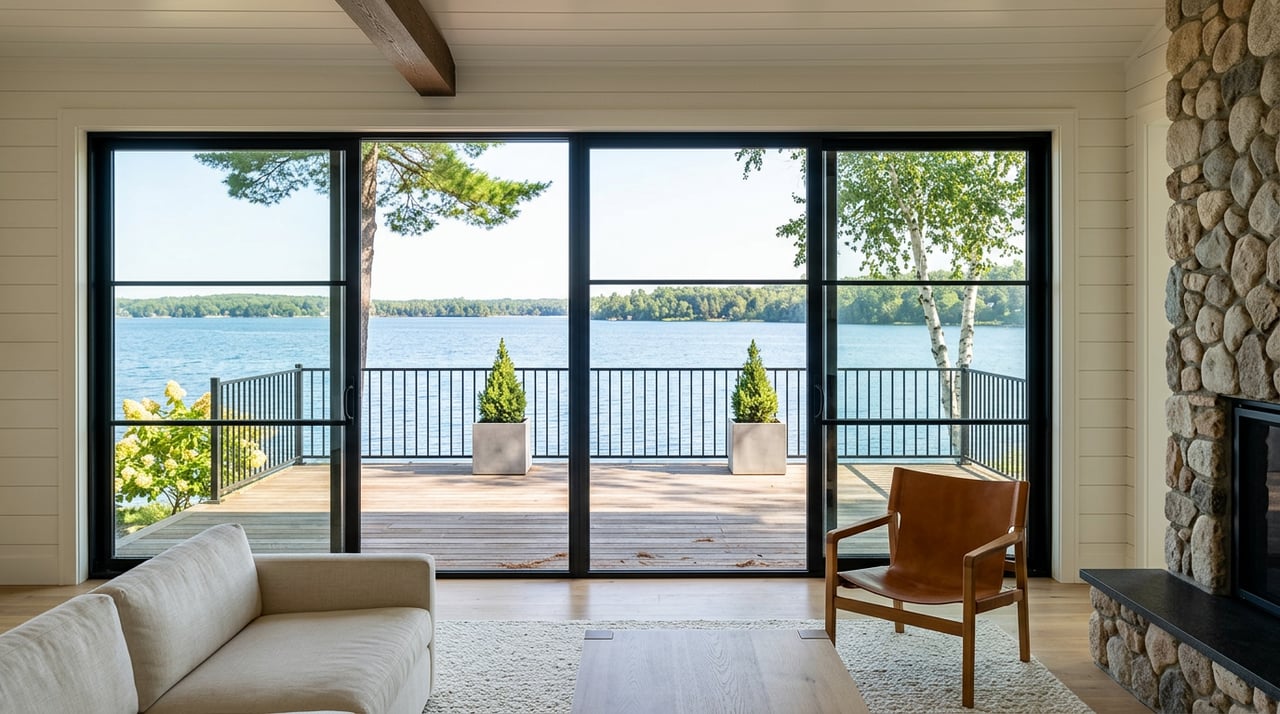
Is your Harbor Springs waterfront home ready to shine when the right buyer pulls into Little Traverse Bay? Premium results do not happen by accident. In our market, the best offers go to properties that feel turnkey, document shoreline use clearly, and launch during peak buyer activity with standout visuals. In this guide, you’ll get a practical 30–90 day plan to prepare, price, and present your home for a premium sale. Let’s dive in.
What “premium” means in Harbor Springs
Waterfront listings in Harbor Springs are often outliers compared with the broader market. While Zillow reports the average Harbor Springs home value around $544,907, high-value shoreline properties can trade well above that depending on frontage, dock rights, views, and condition. Local broker commentary notes that a handful of luxury sales can swing monthly medians, so price strategy and marketing precision matter.
Seasonality plays a big role. Many buyers are second-home or seasonal and move fastest from late spring through summer when the bay comes alive. You can use this window by doing key inspections and updates early, then launching with clean documentation and powerful media.
Pre-list inspections and documents sellers expect
Start these items 6–12 weeks before you hit the market. Waterfront buyers place heavy weight on usable frontage, dock condition, septic and well reliability, and flood exposure. Having proof ready reduces friction and supports top-dollar pricing.
- Full home inspection. Hire a licensed inspector and request a written report you can share. Transparency builds trust with high-value buyers.
- Mechanical systems check. Service HVAC, boiler, generator, electrical panel, and well pump. Fix issues or disclose them clearly to avoid late renegotiations.
- Roof and exterior envelope. Waterfront weather ages windows, doors, and flashing faster. If you are weighing upgrades, national benchmarks from Remodeling’s Cost vs. Value show window replacements and select exterior projects often recoup a strong share of cost.
- Septic inspection and service records. Keep recent inspection and pumping paperwork. The EPA recommends regular inspections and pumping to protect health and property value.
- Private well water test. Test annually for coliform bacteria, nitrates, TDS, and pH using a state-certified lab. The CDC advises baseline annual testing and contacting your local health department for any location-specific parameters.
- Dock, pier, boat lift, and seawall check. Hire a qualified marine contractor to review pilings, fasteners, lift motors, and all shore power. Document recent repairs.
- Shoreline and bluff stability. Confirm local shoreline/bluff mapping and any high-risk erosion designations with Emmet County. Start at Emmet County Planning & Zoning and order a current survey or topo if needed.
- Flood documentation. Check your FEMA panel and zone. If the home is coastal or near mapped risk, be ready to share an Elevation Certificate. Use the FEMA Flood Map Service Center to verify status.
- Legal and title items. Gather your survey, deed language on riparian rights, any recorded easements, HOA or shared-access rules, marina slip agreements, and shoreline permits.
Repairs and upgrades that pay off here
Your priority is to reduce buyer uncertainty, protect views and access, and show durable, low-maintenance finishes. Here’s how to choose where to invest.
1) Fix safety and regulatory items first
Address septic repairs, electrical issues, roof leaks, and any unsafe dock or seawall conditions. The EPA’s septic guidance underscores why timely maintenance protects value and avoids health risks. These fixes should be completed or clearly disclosed before listing.
2) Restore and protect waterfront access
If your dock, lift, or seawall needs work, handle it early. For Great Lakes bottomlands, many in-water activities require state review. The Michigan EGLE guide explains permitting for work below the ordinary high-water mark; review the rules in EGLE’s Land and Water chapter.
3) Elevate outdoor living and curb appeal
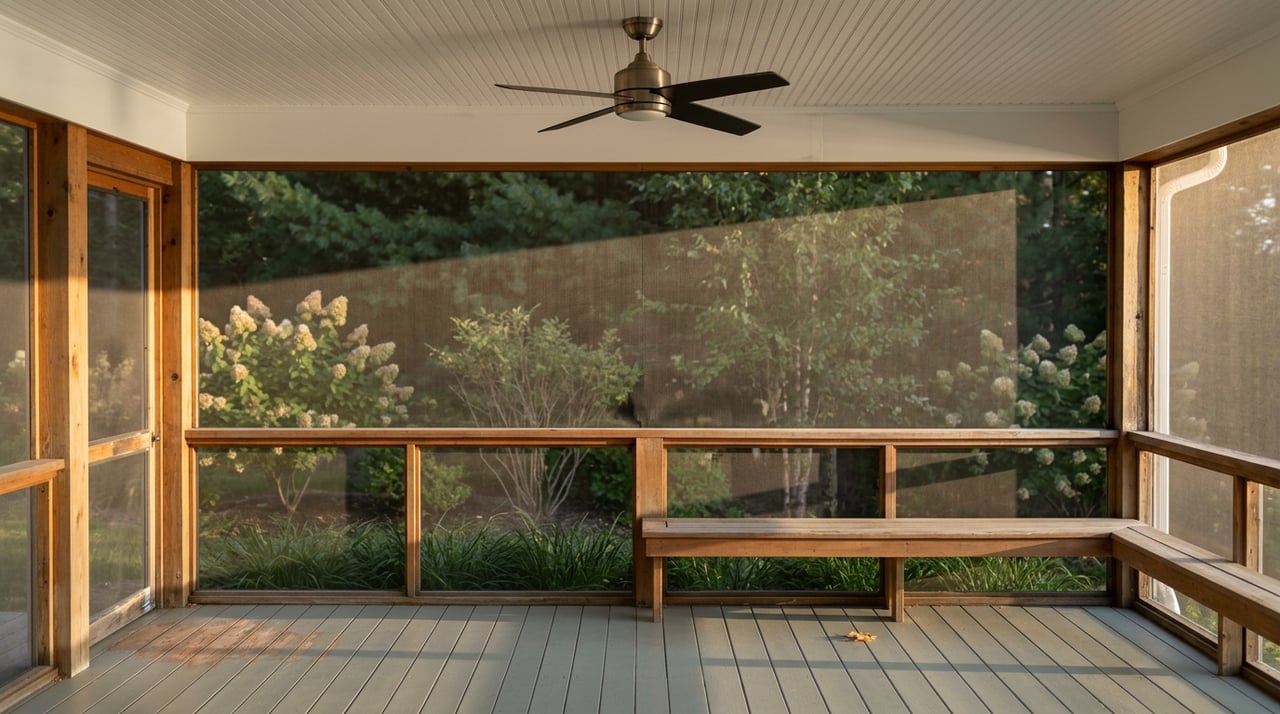
Create simple, clean outdoor zones that frame the water: refreshed decking, low-maintenance plantings, a defined seating area, and subtle lighting. National data from Remodeling’s Cost vs. Value shows many outdoor projects deliver solid recoup percentages. In Harbor Springs, these areas photograph beautifully and help buyers imagine summer right away.
4) Focus on windows and light refreshes
Buyers want turnkey. Selective window or entry updates and minor kitchen or bath refreshes often return a high share of cost according to Remodeling’s national benchmarks. Keep finishes crisp and timeless rather than ultra-custom.
5) Low-cost updates and professional staging
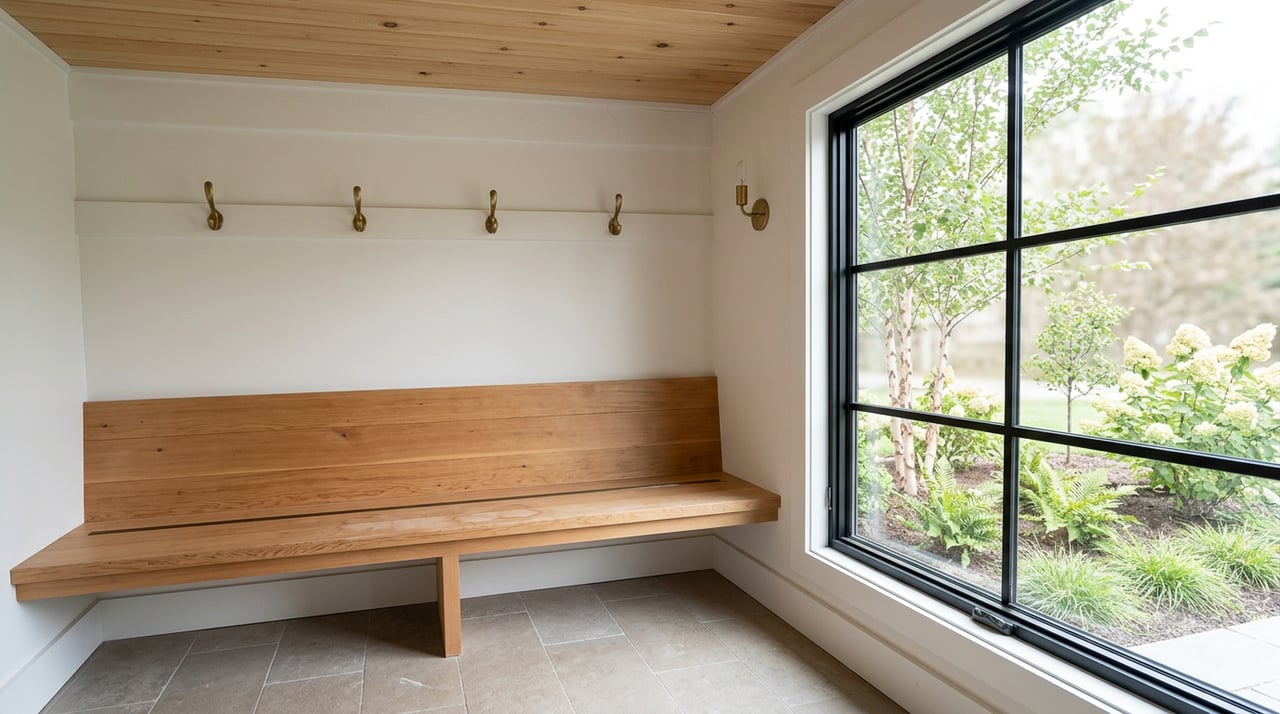
Declutter, deep clean, paint in neutral tones, and upgrade lighting in main water-facing rooms. NAR’s research shows staging helps buyers visualize the property and can influence offer amounts. Review the data in NAR’s 2023 Profile of Home Staging.
Presentation, photography, and media that sell the view
For premium buyers, visuals drive shortlists. Lead with the water.
- Stage for the shoreline. Define conversation groupings that face the bay. Keep surfaces simple so the eye moves to the water.
- Daytime and twilight photography. Capture broad water perspectives, then add twilight images to highlight outdoor living and warm interior glow.
- Aerial/drone imagery. Aerials showcase shoreline geometry, dock access, and proximity to marinas. If you hire a drone pro, confirm they hold an FAA Part 107 certificate. Learn why certification matters at the FAA’s Part 107 page.
- Virtual tours and floor plans. Many buyers are out-of-area. Accurate floor plans and a polished 3D tour help them assess flow and reduce travel friction.
Permits, zoning, and shoreline rules to know
Waterfront claims must be accurate. Before you advertise frontage or dock potential, confirm the rules.
- Great Lakes bottomlands. Dredging, fill, and many dock or seawall projects below the ordinary high-water mark can require EGLE permits under Part 325. Start early using EGLE’s guidance.
- Local shoreline and bluff protections. Emmet County zoning includes shoreline and bluff standards. Work with Planning & Zoning to verify setbacks, high-risk areas, and any limits on improvements.
- Marina context. If your water access depends on a slip or shared facility, verify membership rules and fees. The City’s public plan outlines downtown facilities; review the City of Harbor Springs Marina Park & Recreation Plan for context.
- Flood maps and insurance. Use the FEMA Flood Map Service Center to confirm zone status. An Elevation Certificate can support insurance rating and answer buyer questions.
A practical 30–90 day plan
Use this checklist to stay on track and hit the prime selling window.
60–90 days out
- Order a full home inspection.
- Schedule septic inspection and service; gather records.
- Test well water with a state-certified lab.
- Book a marine contractor to inspect dock, lift, and seawall.
- Ask Emmet County Planning & Zoning for shoreline/bluff maps and any setback notes; order a current survey if needed.
45–60 days out
- Complete safety and urgent repairs. Save receipts and warranties.
- Decide staging scope and outdoor arrangements.
- Pre-book your photographer and confirm an FAA Part 107 drone pilot if doing aerials.
30 days out
- Deep clean and declutter.
- Neutral paint in main rooms and refresh lighting.
- Stage indoor and outdoor areas to frame the view.
- Assemble your data packet: inspections, survey, septic and well reports, dock and shoreline documents, permits, and appliance warranties.
Listing week
- Capture daytime, twilight, aerials, a 3D tour, and an accurate floor plan.
- Price with an agent who understands waterfront comps, seasonality, and small-sample volatility.
Pricing and launch strategy that attracts premium buyers
A premium Harbor Springs sale pairs accurate pricing with targeted reach. Price to the strongest recent waterfront comparables, not just on-street sales that lack frontage or dock rights. Launch with complete documentation and top-tier visuals to build immediate confidence.
Reach matters. For second-home and seasonal buyers, combine MLS distribution and luxury networks with targeted outreach to out-of-market audiences who value boating, protected bay access, and low-maintenance living. During prime months, refresh photos and social placements to keep the listing visible while the harbor is active.
Ready to map the highest-impact steps for your property and timeline? Connect with Pat Leavy - Kidd & Leavy Real Estate for a tailored pre-list plan, premium presentation, and a pricing strategy that reflects Harbor Springs’ unique waterfront dynamics.
FAQs
What defines a “premium” sale for a Harbor Springs waterfront home?
- Premium sales exceed the broader market average because they reflect frontage, dock rights, views, condition, and timing; waterfront comps, not neighborhood averages, should guide pricing.
Which inspections matter most before listing my shoreline home?
- Complete a full home inspection, septic inspection with pumping records, a private well test, and a dock/seawall review, then package reports with your survey, permits, and warranties.
How do I check flood risk and what should I provide to buyers?
- Verify your FEMA flood zone and, if applicable, share an Elevation Certificate; this helps buyers and insurers understand risk and potential insurance costs.
Do I need permits to repair or replace my dock on Little Traverse Bay?
- Many in-water activities below the ordinary high-water mark require state review; consult Michigan EGLE rules and confirm local shoreline or bluff restrictions before any work.
What staging and media make the biggest difference with waterfront buyers?
- Stage main rooms and outdoor areas to frame the view, invest in professional daytime and twilight photos, add aerials by a certificated drone pilot, and include a clear floor plan and 3D tour.