You want to get the price right on a Harbor Springs waterfront estate, without leaving money on the table or sitting on the market. That takes more than a quick price per square foot. It takes a close look at shoreline quality, legal rights, and real, local comps. In this guide, you’ll see exactly how we analyze Little Traverse Bay properties and set a price that attracts serious buyers and protects your value. Let’s dive in.
What drives value on the bay
Shoreline and frontage
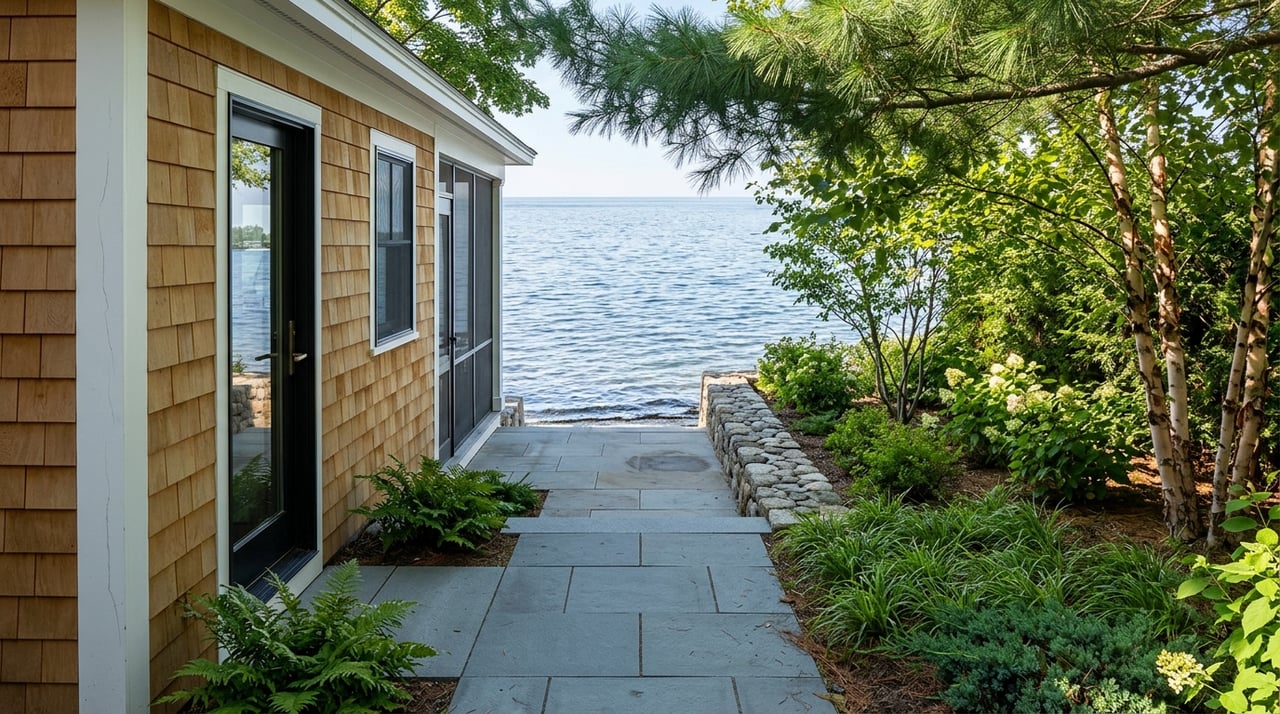
On Little Traverse Bay, the shoreline itself is a major value driver. Linear feet of frontage, the presence of a sandy beach versus rock or seawall, and the slope to the water all affect price. Deeper water at a dock and gentle access typically add value because they improve day-to-day use.
Docking and moorage
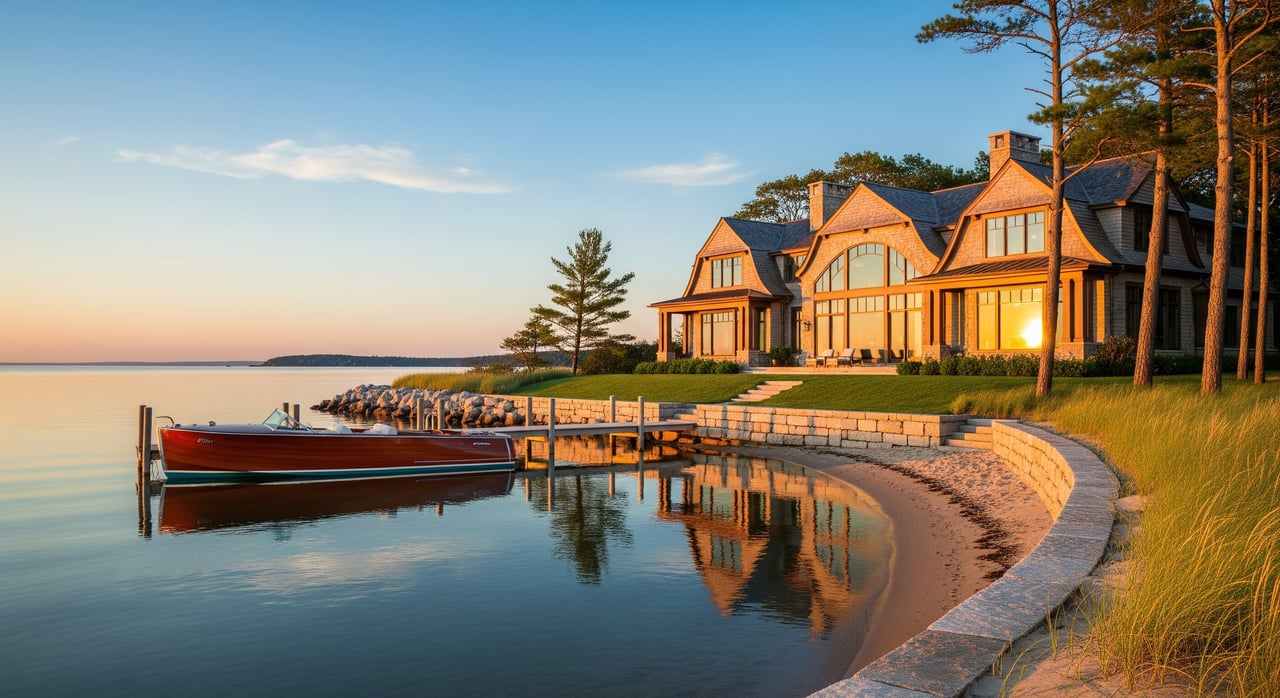
A well-maintained, permitted dock, boat lift, boathouse, or deeded slip adds marketability and value. The legal status matters. Unpermitted or aging structures can lower buyer confidence and become a negotiation point.
Views and orientation
Panoramic bay views, clear sightlines, and sunrise or sunset orientation can command a premium. Visual privacy from neighboring homes also influences buyer demand and pricing.
Structure and site condition
Age and condition of the home, setbacks from the water, and the state of seawalls or erosion controls all factor into price. Septic versus municipal sewer, driveway access, and utilities also influence what buyers will pay.
Legal rights and title
Deeded riparian rights and any easements or HOA rules can raise or reduce value. On the Great Lakes, ownership often extends to the ordinary high water mark. Rights below that mark are typically state-held, so clear deed language is essential.
Access and parking
Year-round road access, the slope of the drive, and proximity to harbor amenities can improve desirability. These practical details often separate fast-moving listings from those that linger.
Insurance and risk profile
Flood zone designation, exposure to waves, and lake-level variability affect insurance costs and buyer comfort. Properties in higher-risk zones may face higher carrying costs and tighter buyer pools.
How we price waterfront estates
Pre-listing due diligence
Before we set a number, we verify the details that shape value and negotiations:
- Title review to confirm riparian rights, easements, and restrictions.
- Recent survey noting shoreline, property lines, and any encroachments.
- FEMA flood map status and any known flood history.
- Condition of docks, lifts, and any seawalls; repair estimates if needed.
- Septic inspection and foundation or water-intrusion history.
- Permitting history for shoreline work and water-based improvements.
This upfront work helps you avoid surprises and builds buyer trust.
Building a comp set that fits the bay
We begin with recent Harbor Springs sales on Little Traverse Bay or similar waterbody type. When inventory is thin, we expand the time window and radius, then document time and market adjustments. We adjust for frontage length, shoreline type, docking and moorage, view quality, improvement size and condition, parcel characteristics, and any legal constraints.
We also study value per frontage foot from the best nearby sales. That metric is helpful, but it is not linear. Quality of shoreline, size of parcel, and view can change the marginal value of each foot of frontage.
Quantifying the waterfront premium
Waterfront premiums vary widely by site. Industry and academic literature commonly show ranges of roughly 20 to 60 percent above comparable inland homes, but we do not use a one-size-fits-all number. We derive the premium from Harbor Springs comps and current buyer activity so your price reflects the real market.
Cross-checking with income potential
If short-term rentals are legally allowed and documented, we cross-check with an income approach. We use realistic seasonal occupancy, true operating costs, and a market-appropriate cap rate. Local ordinances and any HOA rules are part of the analysis.
Pricing for momentum
The price band strategy
We translate our analysis into a clear price band so you can choose how to position the listing:
- Aggressive: Slightly below the indicated market value to maximize interest quickly.
- Market-right: In line with adjusted comps to attract qualified buyers without delay.
- Aspirational: Above market-right when a truly unique feature justifies testing, monitored closely.
Overpricing can stall momentum, especially with a small buyer pool. We watch nearby actives and pendings to fine-tune the number.
Seasonality and timing
Waterfront buyers are most active in spring and early summer. Listing into that window often increases showings and shortens market time. When timing is flexible, we align prep, media, and launch for peak visibility.
Marketing that elevates value
The right presentation can lift perceived value and reduce friction.
- Professional photography and aerials to show frontage, view corridors, and orientation.
- Clear documentation on moorage rights, permits, and recent shoreline improvements.
- A buyer packet with title highlights, survey, septic info, FEMA map excerpt, and estimates for any anticipated shoreline work.
Cost and risk factors to plan for
Flood zones and insurance
Flood zone status can raise insurance costs and affect some lenders. We verify the FEMA designation early and position the property with accurate disclosures so buyers can underwrite confidently.
Erosion and shoreline stabilization
Great Lakes water levels change over time. Evidence of erosion or a failing seawall affects price and negotiations. If repairs are needed, obtaining estimates upfront lets buyers value the home with fewer guesses.
Septic and utilities
Many waterfront homes run on septic. Age, capacity, and condition matter. A current inspection and clear documentation help you avoid late-stage surprises and price re-trades.
Permits and shoreline work
Shoreline activities often require permits. We confirm what is in place and what may be needed. Buyers value clarity on what is allowed for docks, lifts, seawalls, and shoreline vegetation.
Our on-the-ground adjustment checklist
When we price, we start with the closest recent waterfront sale and adjust line by line:
- Frontage length and quality of shore
- Waterbody type and exposure on Little Traverse Bay
- Dock, lifts, boathouse, and legal moorage status
- View quality and orientation
- Home size, age, and condition
- Parcel size, slope, access, and parking
- Septic or municipal utilities and system condition
- Flood zone and documented risk
- HOA rules, easements, or deed restrictions
- Market timing and seasonality
We summarize the net adjusted value, cross-check with per-frontage-foot indicators, and, when relevant, confirm the range with an income perspective.
Your next steps
- Request a valuation consult so we can assemble a tailored comp set and frontage analysis.
- Gather your survey, title policy, and any septic and shoreline documents.
- Decide on your timing and preferred price band based on your goals.
- Prepare media and a buyer packet that answers key questions upfront.
Ready to price with confidence and launch at the right moment? Schedule a free consultation with Pat Leavy - Kidd & Leavy Real Estate to get a precise, data-backed strategy for your Harbor Springs waterfront estate.
FAQs
How is a Harbor Springs waterfront premium determined?
- We analyze recent Little Traverse Bay sales and adjust for frontage, shoreline type, docking, views, and condition. Wider literature often shows a 20 to 60 percent range over inland homes, but we use local comps to set the true premium.
Does a dock always increase my selling price?
- A permitted, well-maintained dock or deeded slip typically adds value and marketability. Unpermitted or failing structures can reduce value or lead to buyer credits.
What if my home is in a higher-risk flood zone?
- Higher-risk zones can raise insurance costs and shrink the buyer pool. Accurate disclosure and pricing that accounts for carrying costs help maintain momentum.
Should I repair a seawall before listing?
- If costs are manageable and repairs improve marketability, pre-listing work is often wise. Otherwise, provide recent condition reports and contractor estimates so buyers can price the need.
Can rental income support a higher price?
- Yes, if short-term rentals are allowed and income is documented. We apply an income approach using realistic seasonal assumptions and local rules.