Are you picturing a Walloon Lake day that starts at your dock, moves through clear blue water, and ends with dinner near the Foot of the lake? If you are exploring this area as a buyer, seller, or longtime lake lover, it helps to understand how Walloon actually works from the water. This guide walks you through the boating layout, public access points, dockside rhythm, and stewardship-minded culture that shape life on Walloon Lake. Let’s dive in.
Walloon Lake From the Water
Walloon Lake spans parts of Emmet and Charlevoix counties and stretches across five townships. Source estimates vary slightly, but the lake covers roughly 4,270 to 4,584 acres, with about 30.5 miles of shoreline and a maximum depth near 100 feet. It is fed primarily by groundwater and drains through the Bear River into Little Traverse Bay and Lake Michigan.
From a boater’s perspective, Walloon does not feel like one broad, uniform lake. Tip of the Mitt describes five distinct basins: the Foot, Mud Lake, West Arm, North Arm, and Wildwood. That matters because each area can feel a little different in scale, scenery, and pace when you are moving by boat.
The lake is also described as oligotrophic, which means high water clarity and generally cold, deep water. For you, that often translates into the crisp, blue-water look that makes Walloon so memorable. It also helps explain why time on the lake often feels tied to place, views, and quiet movement rather than just speed.
Public Boat Access on Walloon Lake
Public access exists on Walloon Lake, but it is not built around one large marina system. Instead, access is spread across a handful of launches and lake access points that support a more local, neighborhood-scale boating pattern. That setup is part of what gives Walloon its dock-to-dock feel.
Jones Landing Park Access
Jones Landing Park in Bear Creek Township is one of the few public access locations on Walloon Lake. Current township materials describe it as a 3.3-acre site with about 350 feet of frontage, along with a boat launch, ADA access, restrooms, picnic area, beach, pavilion, playground, trailer parking, a buoyed swim area, and a boat wash.
It also serves as access to Schoof’s Creek Nature Area by canoe or kayak. If you want a launch point with family-friendly amenities and room to ease into a day on the water, this is one of the more complete public setups on the lake.
Melrose Township Launch
Melrose Township Boat Launch is the only public Walloon Lake access point in Melrose Township. The township plan places it at the southeast corner of the lake at the Windsor Road end behind Hotel Walloon.
The site can handle boats up to 20 feet and includes a ramp, dock, parking, an accessible restroom, and an air-operated boat wash station. For many boaters, this is a practical launch if you want easier access to the village area and the Foot of the lake.
Resort Township Access Points
Resort Township’s master plan lists several Walloon Lake access sites. These include Townsend Road Lake Access, which has a concrete ramp, sturdy dock, and paved parking, along with Stolt Road Lake Access on the Resort-Bay township border.
The same plan also lists Resort Pike Park and Morford Park as Walloon Lake access sites. Together, these access points support the idea that Walloon boating often starts at smaller public launches, road-end sites, or private docks rather than at one central waterfront hub.
What Boating Feels Like Here
One of the best ways to understand Walloon Lake is to think in terms of pockets and transitions. The lake’s five basins create shifts in scenery and mood, so your route can feel different depending on where you launch and how far you explore.
Local shorthand used by boaters includes places like Eagle Point Bay, South Arm Bay, Wildwood Harbor, Flag Point Sand Bar, and the North Arm Sand Bar. These names are useful orientation points on the water, even though they are best treated as local reference points rather than official regulatory zones.
Official conservation sources reinforce that the shoreline character changes as you move around the lake. Schoof’s Creek Nature Area buffers the North Arm wetland complex, while the Voran Family Preserve overlooks the South Basin. For you, that means a day on Walloon can move from village activity to quieter, more protected shoreline views in a relatively short distance.
The Foot of the Lake Advantage
If you enjoy the convenience of tying up and stepping right into village life, the Foot of the lake stands out. The village brochure shows a compact public zone with a public beach, bathhouse and restrooms, boat launch, kayak and canoe launch, docks, marina and restaurant area, hotel, library, post office, retail, and public parking.
That concentration of amenities gives Walloon a dock-friendly social center without making the entire lake feel commercial. It is one reason the Foot often becomes part of the rhythm for boaters who want a mix of cruising, swimming, and an easy stop on shore.
The brochure also notes that the public beach at the Foot is a popular sunset spot and can fill quickly on summer weekends. If you are planning a busy-season outing, it helps to think ahead about timing, docking, and where you want to spend the busiest hours of the day.
Dockside Dining and Village Stops
Walloon Lake has a boating culture that blends casual movement with a polished lake lifestyle. Barrel Back confirms lakefront dining next to Hotel Walloon, with a daily dock and open-air dining. That kind of setup makes it easy to build a full day around the boat instead of treating the water as just transportation.
The village map also identifies Walloon Lake Inn as a dock-access restaurant. For you, that means the lake supports more than scenic cruising. It also offers practical, enjoyable dockside stops that can become part of your summer routine.
Hotel Walloon adds another layer to the experience with private beach access, summer dock slip rentals, and private dock spaces for guests. It also offers seasonal boat and water-sport rentals through Legacy Watersports & Marina, which is useful if you want time on the water without bringing your own boat.
Private Docks and the Everyday Lake Routine
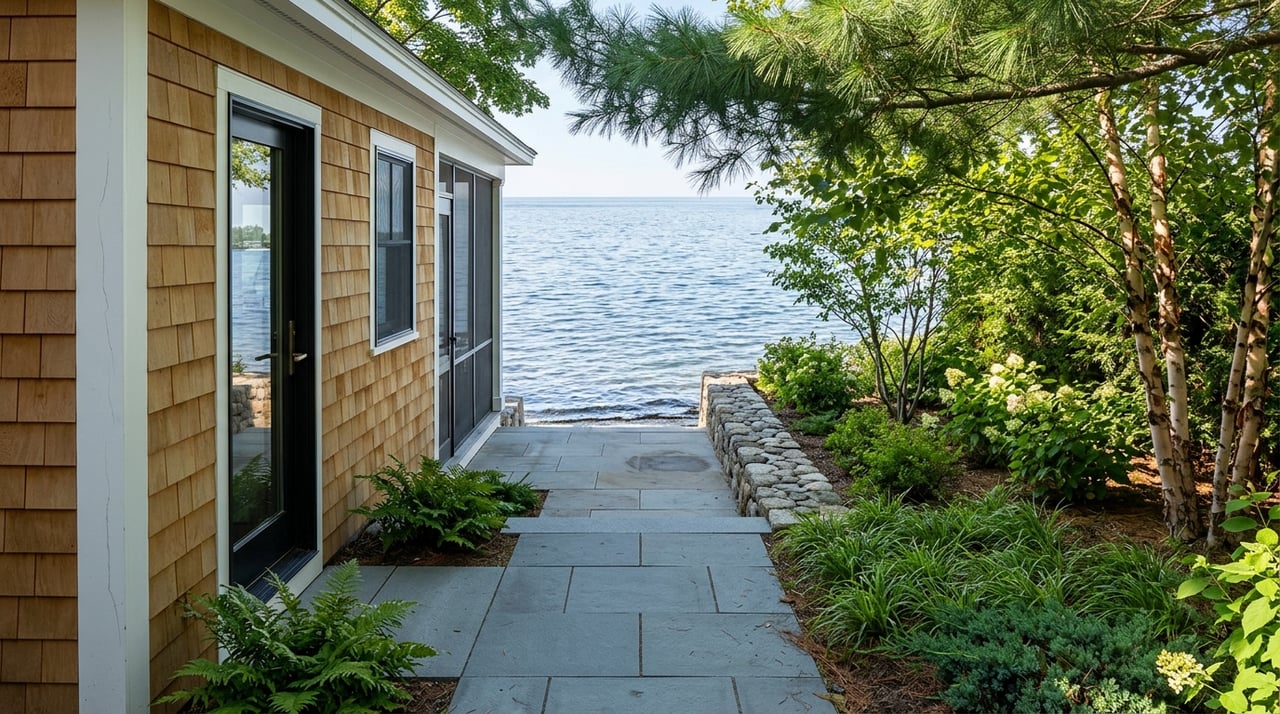
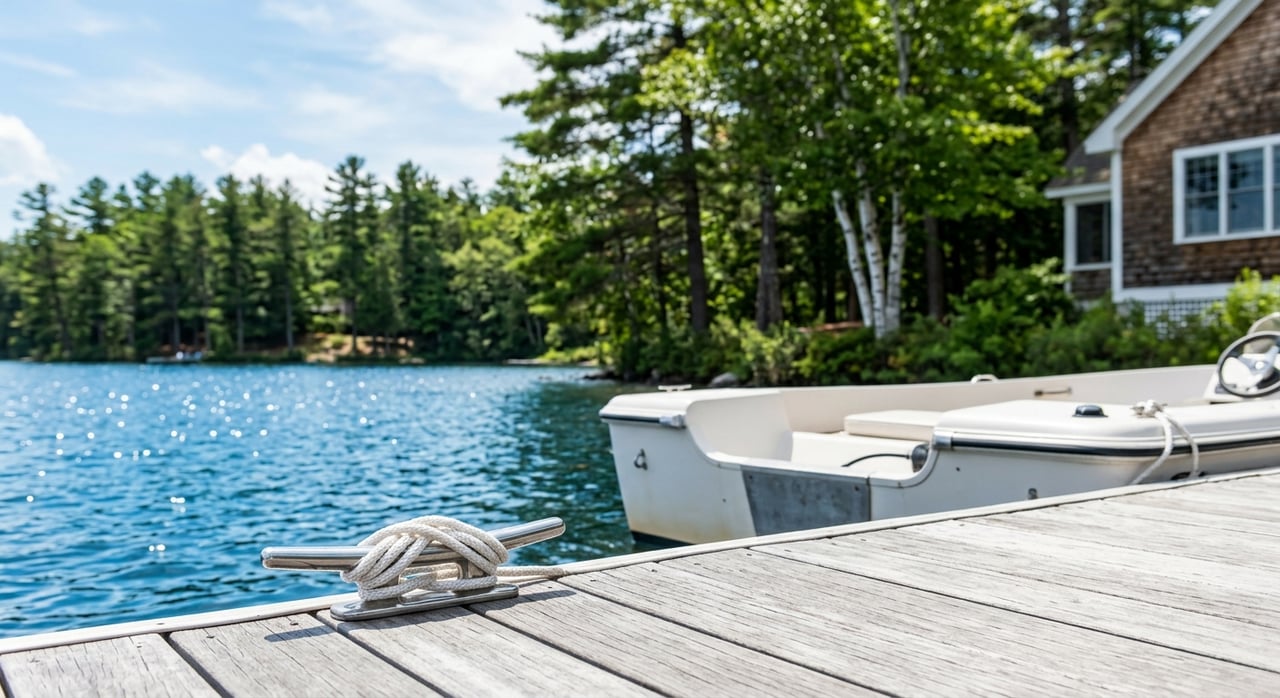
A lot of Walloon Lake life happens away from public launches. WLAC cottage listings show recurring features such as docks, boathouses, kayaks, paddle boards, rowboats, grills, and wraparound porches. That snapshot says a lot about how people use the lake day to day.
For many owners, the ideal Walloon setup is simple and personal. You walk down to your dock, head out for a short cruise, stop for lunch, return for a swim, and settle into the shoreline for the evening. It is a style of lake living shaped as much by access and routine as by square footage.
If you are buying waterfront property, this dock-centered lifestyle is worth paying attention to. The experience of Walloon is often tied to how your property meets the water, how easily you launch into the day, and how connected you feel to the lake’s quieter rhythm.
Why Shoreline Protection Matters
Part of Walloon Lake’s appeal comes from how protected the shoreline still feels. WLAC stewards more than 2,300 acres, 54 preserves, and 20 conservation easements in the watershed. That helps explain why so many views remain framed by natural shoreline rather than continuous dense development.
Tip of the Mitt and Resort Township both emphasize that water quality depends on shoreline stewardship, watershed protection, and monitoring of erosion, invasive species, vegetation, and septic systems. WLAC also continues water testing and shoreline surveys as part of that effort.
If you value clear water and a strong long-term lake setting, this matters. On Walloon, preservation is not a side note. It is part of the reason the boating experience feels so intact.
Boating Etiquette on Walloon Lake
A great lake day on Walloon also depends on shared care for the water and shoreline. WLAC’s 2026 boating recommendations ask wake boats to stay in surf mode only in water deeper than 20 feet and to keep wakes at least 500 feet from shorelines, docks, and other boats.
WLAC also advises all motorized boats to stay at no-wake speed within 200 feet of shorelines and docks. It encourages boaters to keep sound down near homes and docking areas, and notes that boating-concern reports go to county marine patrol.
For you, these recommendations offer a useful picture of local expectations. Walloon’s boating culture values enjoyment, but it also puts a premium on respect for shoreline conditions, neighboring docks, and the quieter character that draws people here in the first place.
What This Means for Waterfront Buyers and Sellers
If you are buying on Walloon Lake, boating access should be part of how you evaluate a property. A private dock, proximity to village conveniences, ease of launch, and the feel of a particular basin can shape your day-to-day experience as much as the house itself.
If you are selling, these same features often help tell the property’s story. On Walloon, the value is not just the structure or the lot line. It is also the way a property connects you to a stewardship-minded lake lifestyle built around clear water, protected views, and easy dockside living.
Understanding that lifestyle takes more than a map. It takes local perspective on how buyers experience the lake from the shoreline, from the dock, and from the boat.
If you are thinking about buying or selling on Walloon Lake, working with a team that understands waterfront access, legacy property value, and the rhythm of Northern Michigan lake life can make the process far more informed and seamless. To start the conversation, connect with Pat Leavy - Kidd & Leavy Real Estate.
FAQs
Where can you launch a boat on Walloon Lake?
- Public launch options mentioned in local township materials include Jones Landing Park in Bear Creek Township, Melrose Township Boat Launch, Townsend Road Lake Access, Stolt Road Lake Access, Resort Pike Park, and Morford Park.
What makes Walloon Lake good for boating?
- Walloon Lake offers clear, generally cold deep water, distinct basins with different shoreline character, a mix of public and private access, and convenient dockside village stops.
What is the Foot of Walloon Lake?
- The Foot is the village-centered end of the lake where public amenities such as the beach, restrooms, launch areas, docks, parking, and nearby dining and retail are clustered.
Are there dockside restaurants on Walloon Lake?
- Yes. Official sources confirm dock access and lakefront dining at Barrel Back, and village mapping identifies Walloon Lake Inn as a dock-access restaurant.
Why does Walloon Lake feel more private than some boating lakes?
- Public access is available, but the lake’s boating pattern is shaped by smaller launch points, private docks, and a large network of protected shoreline and conservation land.
What boating etiquette should you follow on Walloon Lake?
- WLAC recommends no-wake speed within 200 feet of shorelines and docks, keeping wakes at least 500 feet from shorelines, docks, and other boats, and using surf mode only in water deeper than 20 feet.