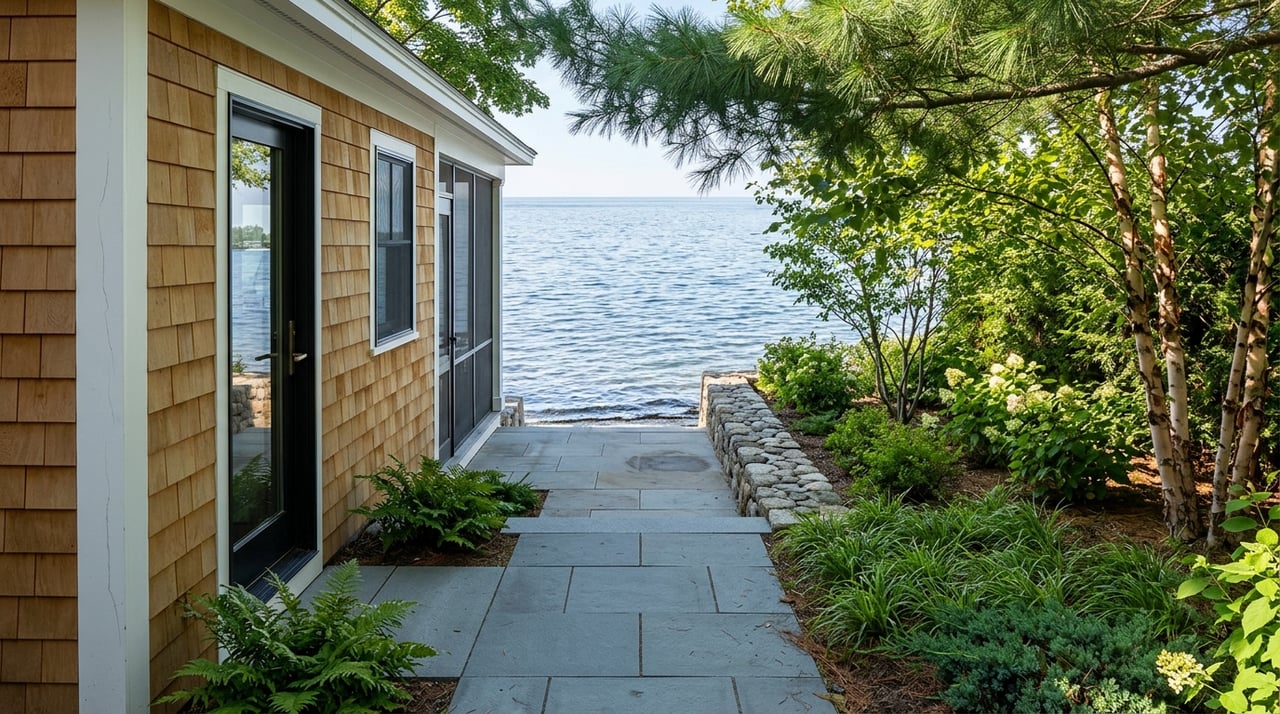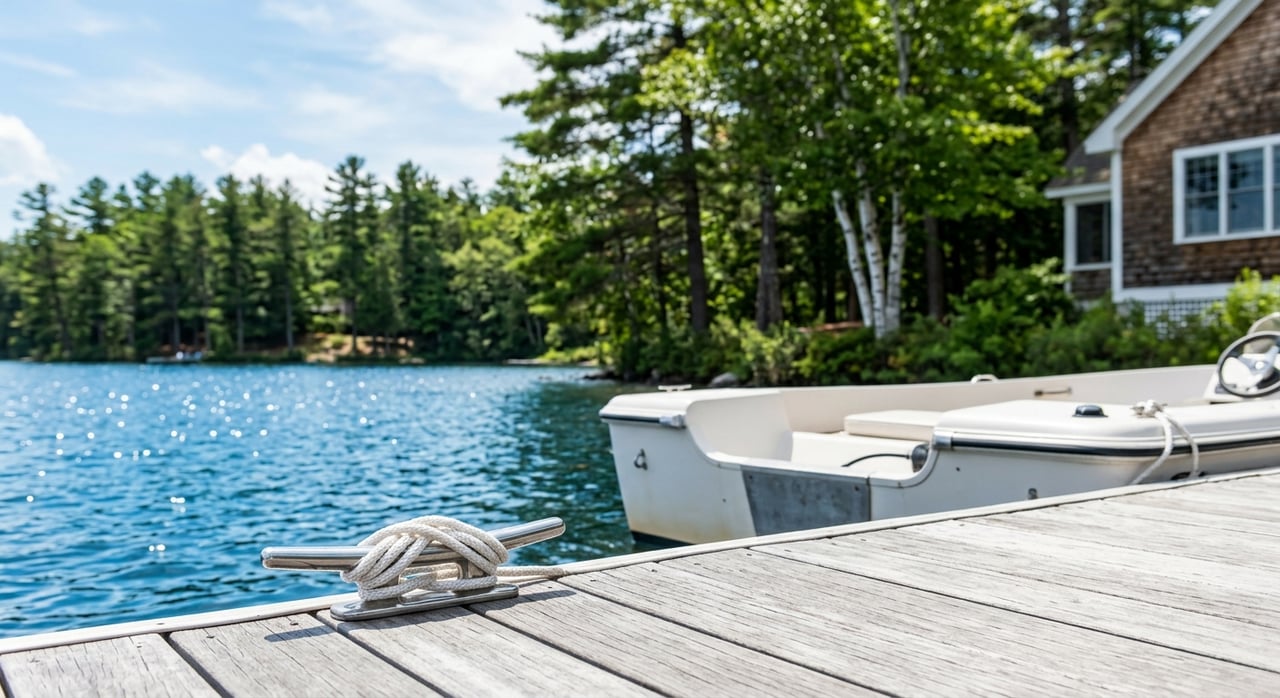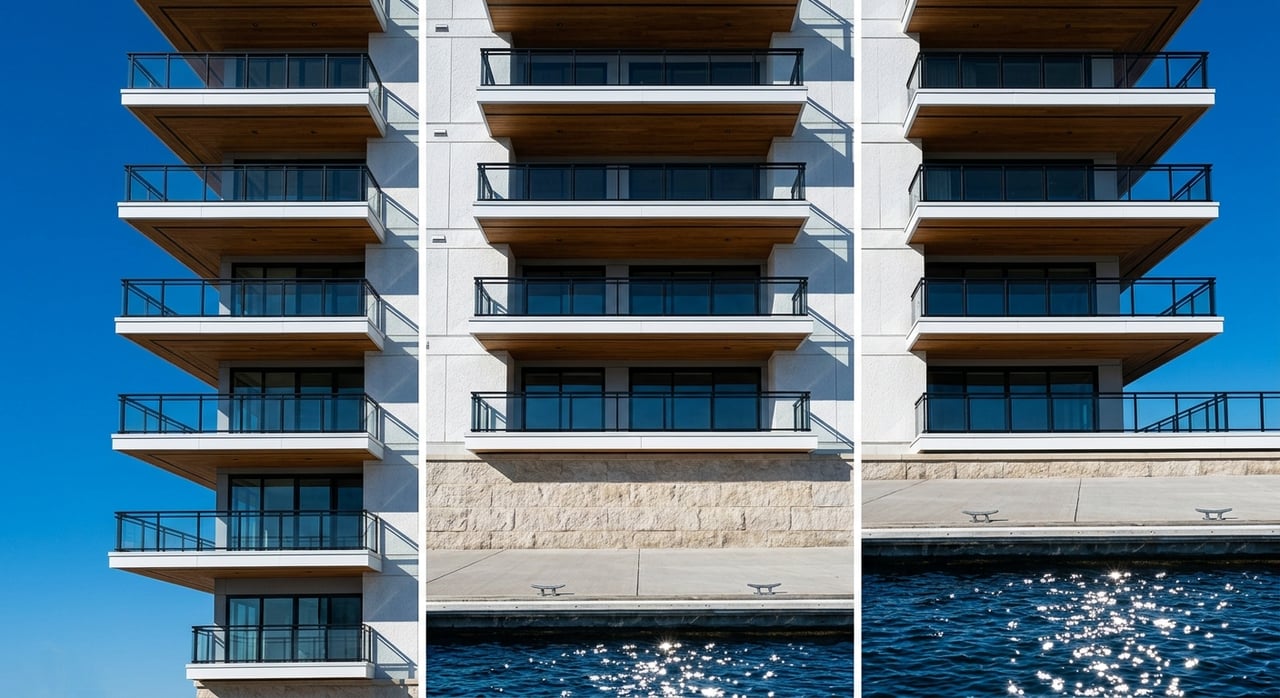
If you are hoping to buy waterfront in Harbor Springs, you are not shopping in a big, predictable market. You are competing for a very small set of properties that can vary widely from condo units and vacant lots to legacy cottages and high-end estates. That can feel exciting and overwhelming at the same time. The good news is that you can improve your odds by getting prepared before the right property appears. Let’s dive in.
Why Harbor Springs Waterfront Feels Competitive
Harbor Springs does not look uniformly overheated when you view the broader market. Zillow reported 67 homes for sale and 16 new listings as of April 30, 2026, while Realtor.com showed 165 homes for sale in March 2026, a 94% sale-to-list ratio, and a median 92 days on market. In other words, the citywide market can look balanced or even buyer-friendly.
Waterfront is different because the available inventory is so limited. Public waterfront searches recently showed just 8 results on Zillow and 17 waterfront homes on Realtor.com within Harbor Springs residential boundaries. That small supply is one reason the best waterfront opportunities can attract serious, highly prepared buyers even when the larger market feels less intense.
Another factor is price diversity. The current waterfront pool ranges from roughly $315,000 lots to homes listed at $8.25 million. You are not competing for one standard product, so your strategy has to match the type of property you want.
Know What You Are Competing For
Before you think about offer terms, define the exact kind of waterfront opportunity you want. A turn-key condo, a buildable lot, and a legacy cottage with shoreline improvement potential all come with different risks, timelines, and diligence needs. If you treat them the same, you can move too slowly on one or overlook key issues on another.
That matters in Harbor Springs because waterfront value is not only about the view. It can also depend on zoning, shoreline rules, riparian rights, and whether future improvements are realistic. A property that looks simple from photos may require a much deeper review before you know what you are truly buying.
Condos Need a Different Playbook
If you are targeting a waterfront condo, your focus may be more about condition, association details, access, and how quickly you can verify the basics. A condo can offer a more straightforward path than raw land or a shoreline property with future construction plans. That can make speed especially important when the unit is well-located and move-in ready.
Lots Require More Upfront Verification
With a waterfront lot, the real question is often what you can build and what approvals may be needed. Buildability, setbacks, floodplain considerations, and shoreline conditions can shape the value of the parcel. A lot that appears like a future dream site still needs to be tested against the rules that apply to that shoreline.
Legacy Homes Can Hide Complexity
Older waterfront homes often carry unique appeal, but they may also come with older systems, shoreline history, and questions about future changes. If you hope to add a dock feature, improve erosion protection, or make substantial renovations, those issues should be reviewed early. On Harbor Springs waterfront, charm and complexity often come together.
Scarcity Is Built Into the Rules
Part of Harbor Springs waterfront scarcity comes from local zoning. The city separates a Residential Waterfront district from a Waterfront District, and both impose meaningful standards. In the Residential Waterfront district, the minimum lot width is 100 feet and the minimum lot area is 25,000 square feet.
In the Waterfront District, the ordinance also requires 100 feet of lot width, at least 10,000 square feet of lot area, and a 25-foot waters-edge setback. Site-plan review is required for things like slips, moorings, and shoreline alterations. The city ordinance states that the district is intended to limit over-development while preserving public enjoyment, access, viewsheds, and shoreline preservation.
That means supply is constrained by more than demand alone. In Harbor Springs, the rules themselves help keep waterfront inventory limited. For you as a buyer, that makes preparation more valuable than waiting for perfect timing.
Build a Competitive Waterfront Offer
In Harbor Springs, strong waterfront offers are usually built on readiness rather than one dramatic price move. Because the inventory is so thin, sellers often respond well to buyers who look organized, credible, and realistic from the start. If you want to compete well, your offer package should reduce uncertainty.
Here are the basics that can help you stand out:
- Proof of funds or a strong underwritten pre-approval
- A realistic but tight inspection period
- Fast title, survey, and permit review
- Flexible closing terms when possible
- A clear understanding of the property type you are pursuing
This approach fits the current market well. Harbor Springs may show more balanced pricing conditions citywide, but waterfront competition is concentrated in a much smaller group of properties. That is why preparation often matters more than broad market headlines.
Move Early on Financial Readiness
If you need financing, get as far along as possible before you make an offer. If you are paying cash, have your proof of funds ready to send immediately. When the right waterfront property comes up, delays in paperwork can make your offer feel less certain than a competing buyer’s.
Keep Your Review Period Focused
A short diligence window can help, but only if you already know what needs to be checked. Waterfront due diligence is often more technical than a standard home purchase. If you can line up the right reviews quickly, you may be able to stay competitive without overlooking major issues.
Verify Shoreline and Permit Issues Early
One of the biggest mistakes waterfront buyers make is assuming dock, shoreline, or erosion questions can wait until after closing. In Michigan, EGLE’s Joint Permit Application covers a long list of land-and-water interface work. That can include docks, piers, boat wells, lifts, boardwalks, fences, decks, wetlands, floodplains, Great Lakes bottomlands, and high-risk erosion areas.
EGLE says a complete permit review generally takes 30 to 90 days, and spring and summer are the busiest seasons. If you think you may want to add, expand, or modify shoreline features, you should investigate that path early. A property’s future potential may depend on approvals that take time and are not guaranteed.
For Great Lakes shoreline property, EGLE also notes that riparian rights can include access to navigable waters, dockage, and water use, but those rights remain subject to the public trust and permitting rules. The state holds Great Lakes bottomlands below the ordinary high-water mark in trust for public use. EGLE also states that shoreline and boundary lines can shift over time as the shoreline changes.
Check Floodplain and Erosion Risk
A beautiful shoreline setting can still come with long-term constraints. EGLE’s coastal planning guidance says new construction or substantial improvements within the 100-year floodplain must place the lowest floor at least one foot above the 100-year flood elevation. Certain construction, fill, or alteration in the floodplain can also require permits.
That is why floodplain and erosion status should be part of your early review, not a late surprise. These factors can affect buildability, future improvements, and the practical use of the property over time. If you are buying for long-term enjoyment or legacy planning, resilience matters as much as today’s curb appeal.
Do Not Overlook Septic and Well Review
If the property uses private water or wastewater systems, due diligence should start early. The Health Department of Northwest Michigan says a residential site evaluation is the first step for buy-sell situations when municipal sewer or water is not available. It also issues permits before septic or well installation or changes.
For buyers, that means septic and well history should not be treated as a minor back-burner item. Site suitability, prior permits, and any planned changes can affect both usability and future costs. On some waterfront properties, this can be one of the most important parts of the offer process.
Use a Remote-First Buying Workflow
If you live outside the area, Harbor Springs is still workable for a well-organized search. Emmet County’s Tax Parcel Viewer allows searches by parcel ID, address, or subdivision and condo name. The county Register of Deeds also offers online services, and EGLE’s joint permit process is handled electronically through MiEnviro.
That makes the first pass of due diligence easier to manage from a distance. A smart workflow is to shortlist properties remotely, confirm zoning and parcel details, verify septic, well, floodplain, and shoreline constraints, and then travel for final confirmation. This can save time and help you focus in-person visits on properties that truly fit your goals.
Think Like a Steward, Not Just a Shopper
The best Harbor Springs waterfront purchases are rarely impulse buys. They work because the buyer understands that shoreline ownership involves both privilege and responsibility. The property you choose may be shaped by zoning standards, public trust rules, floodplain limits, permit timing, and long-term shoreline change.
If you compete with that mindset, you can make smarter and faster decisions when the right opportunity appears. You do not need to chase every listing. You need to recognize the right waterfront asset, understand its constraints, and move with confidence when it fits.
When you are ready to compete for Harbor Springs waterfront with a clear plan, local perspective matters. Pat Leavy - Kidd & Leavy Real Estate offers owner-led guidance, deep Northern Michigan waterfront experience, and concierge support for buyers who want to move decisively.
FAQs
How competitive is the Harbor Springs waterfront market?
- Harbor Springs can look balanced citywide, but waterfront inventory is much smaller, with public searches recently showing only 8 to 17 waterfront listings depending on the source.
What should Harbor Springs waterfront buyers do before making an offer?
- You should have proof of funds or strong pre-approval ready, narrow your property type, and plan for fast review of title, survey, zoning, permit, and shoreline issues.
Can Harbor Springs buyers add or change a dock or shoreline structure?
- Possibly, but EGLE and sometimes the city may review the work, and permit review for land-and-water interface projects generally takes 30 to 90 days.
Do floodplain and erosion rules affect Harbor Springs waterfront property?
- Yes, floodplain and erosion conditions can affect construction, improvements, and long-term use, so they should be checked early in the buying process.
Should Harbor Springs waterfront buyers worry about septic or private wells?
- If municipal water or sewer is not available, yes, because site evaluation and permit history can affect whether the property fits your needs and future plans.
Can out-of-area buyers research Harbor Springs waterfront remotely?
- Yes, much of the first-pass diligence can be done online through Emmet County parcel tools, deed resources, and Michigan’s electronic permit systems before you travel for final review.