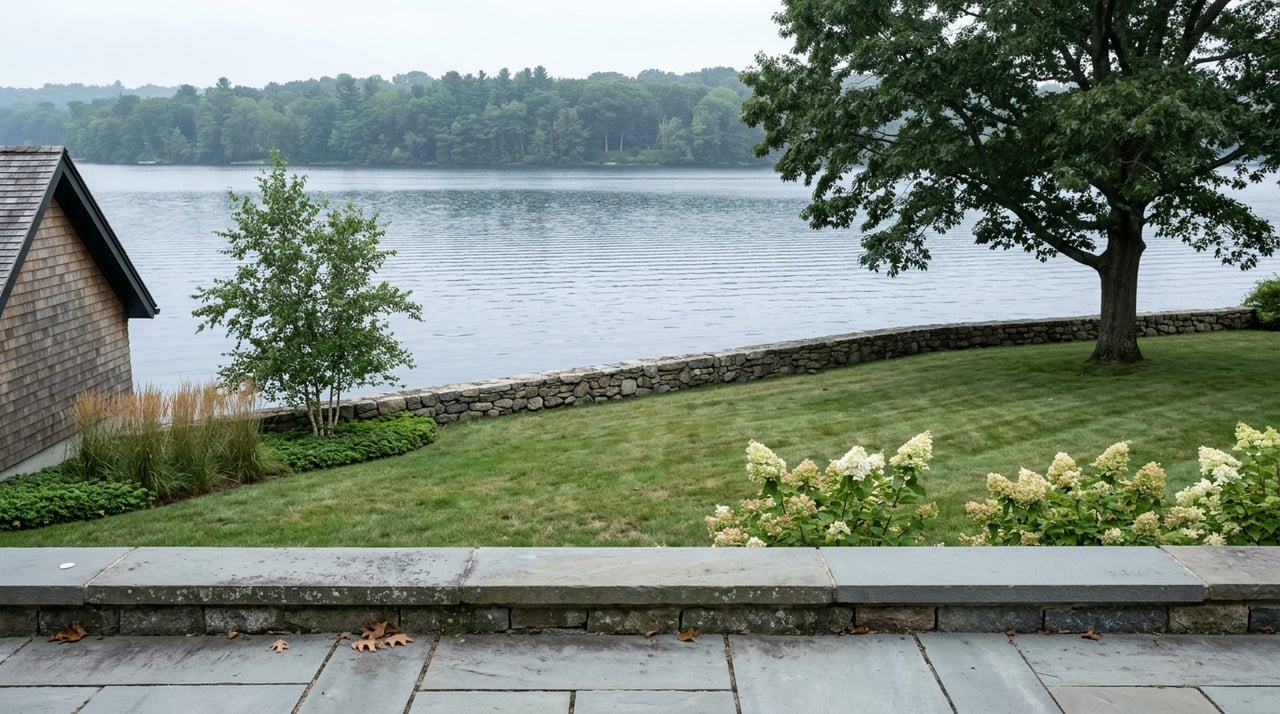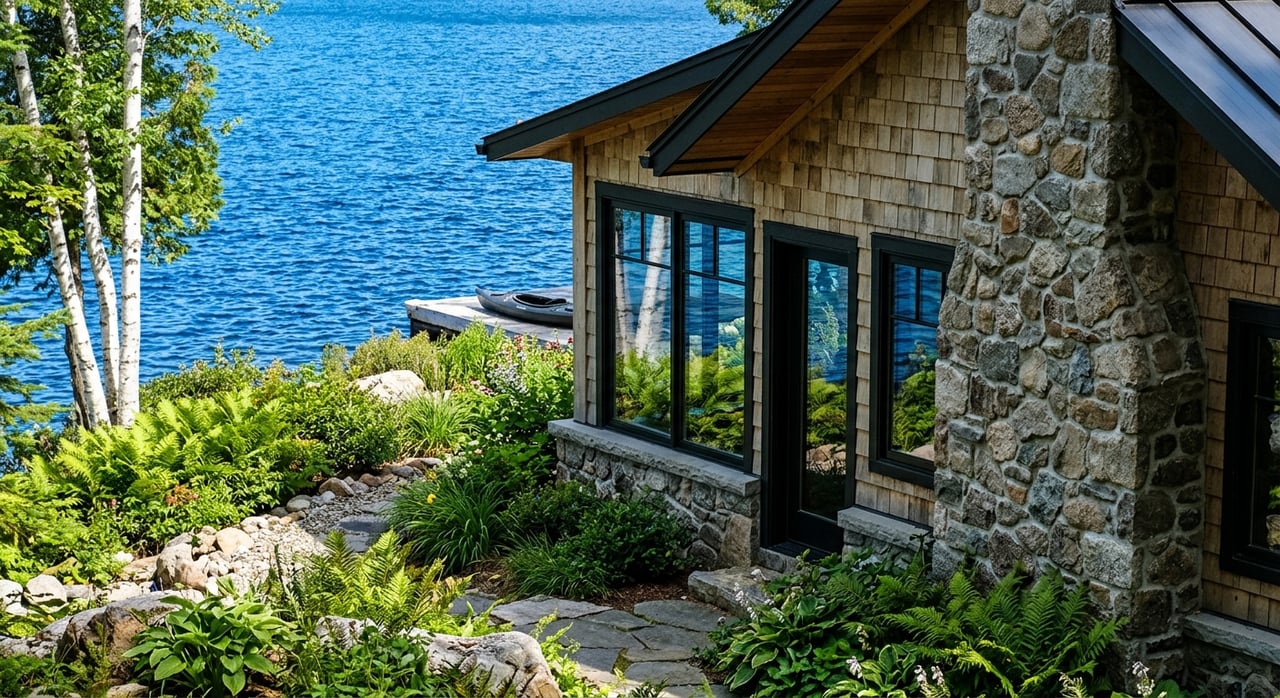
If you are thinking about Lake Charlevoix waterfront as a long-term investment, you are probably looking for more than a pretty view. You want to know what supports value over time, what risks deserve close attention, and how to make a smart decision in a market shaped by both lifestyle and legacy ownership. The good news is that Lake Charlevoix has several fundamentals that make it stand out. Let’s dive in.
Why Lake Charlevoix Stands Out
Lake Charlevoix is not a small, one-note waterfront market. It is one of Michigan’s premier inland lakes, with more than 17,200 acres of surface area and a watershed of roughly 214,400 acres. The lake also has two distinct arms and connects directly to Lake Michigan through the Pine River Channel at Charlevoix.
That scale matters when you think long term. Large, established waterfront markets often attract recurring demand because they offer a deeper mix of boating, recreation, navigation, and multigenerational appeal. On Lake Charlevoix, that appeal has supported second-home and seasonal demand for decades.
The local planning picture reinforces that value. The City of Charlevoix’s master plan treats shoreline and waterfront areas as important natural and recreational resources. The city also highlights visible public amenities like the City Marina, beaches, and parks, which help support the area’s waterfront lifestyle beyond any single real estate cycle.
Long-Term Demand Has Local Roots
One reason Lake Charlevoix can be compelling as a long-term investment is that seasonal ownership is built into the market. In the City of Charlevoix’s 2021 economic development strategy, 82% of units labeled vacant were identified as seasonal, recreational, or occasional-use housing. That suggests a market shaped by repeat visitors, returning owners, and long-term emotional ties to place.
The same report noted that 48.6% of occupied units were owner-occupied. In addition, the city’s 2025 visitor survey found that 23% of downtown farmers market patrons were seasonal homeowners. Those numbers point to a community where second-home ownership is not a side story. It is part of the structure of the market.
For you as a buyer, that matters because it can support steady resale interest over time. Buyers are not just chasing a trend. Many are buying into a place they already know, use, and plan to return to for years.
What Supports Resale Value
Waterfront Supply Is Limited
The most obvious long-term advantage is scarcity. There are only so many true waterfront parcels on Lake Charlevoix, and no new shoreline is being created. When supply is finite and demand is tied to lifestyle, boating access, and family use, that can help support values over time.
Local assessment practices reflect that difference. In the City of Charlevoix’s 2026 land and condo analysis, the assessor tracks parcels under a separate “Water Influence Lake Charlevoix & Round Lake” category. That does not guarantee appreciation, but it does show that water influence is recognized locally as a meaningful value driver.
The Market Remains Premium
Recent market trackers also show that Charlevoix remains a higher-value market. As of April 30, 2026, Zillow estimated the typical home value in Charlevoix at $440,858, up 5.1% year over year. For Charlevoix County, Zillow estimated a typical value of $400,415, up 3.5% over the same period.
Other market snapshots tell a similar story, even though methodologies differ. Realtor.com’s April 2026 city summary showed a median listing price of $499,000, with 81 homes for sale and a median of 101 days on market. Redfin’s Charlevoix waterfront page showed only 5 waterfront homes for sale, pointing to a market where waterfront inventory can stay tight.
Stewardship Matters
The city’s master plan notes that much of Charlevoix’s older single-family housing stock was originally built for a summer seasonal population. That is important for long-term owners because upkeep can directly affect future marketability. A well-maintained waterfront home that respects shoreline conditions and fits the lake setting is usually easier to position for resale.
In other words, long-term value on Lake Charlevoix is not just about buying the right property. It is also about caring for it well over time.
Rental Potential Requires Careful Review
Some buyers also view Lake Charlevoix waterfront through the lens of rental income. That can be part of the picture, because the area benefits from strong visitor appeal tied to boating, swimming, fishing, kayaking, sailing, and beach use. Public marinas, beaches, and recreation amenities also support that demand.
Still, rental potential here is highly local-rule dependent. In the City of Charlevoix, short-term rentals are regulated by ordinance, and a valid rental license is required before listing or advertising a short-term rental. The city’s application states that the application fee is $300, the license fee is $300, and applicants must provide a local agent contact within 60 minutes of the property.
The city also distinguishes among personal units, business units, and ADUs, and it maintains a waiting-list structure for new applications. That means rental income should never be assumed based on location alone. You need to confirm the parcel’s zoning status, licensing eligibility, and whether any wait-list or cap issues apply.
Rules can also differ around the lake. Charlevoix Township publishes its own short-term rental ordinance, which is a reminder that waterfront investment decisions should be made at the parcel level, not with a broad assumption about the entire area.
Key Risks for Long-Term Owners
Septic and Water Quality Issues
For legacy ownership, some of the biggest risks are practical rather than speculative. The Lake Charlevoix Association warns that improperly maintained septic systems can contaminate groundwater and shoreline areas. It recommends regular pumping and inspection, and this is especially important for older properties.
If you are evaluating an older waterfront home or cottage, septic condition should be near the top of your diligence list. An aging system can affect both ownership costs and long-term stewardship of the property. It can also influence future resale conversations.
Shoreline Changes and Runoff
Shoreline alteration, stormwater runoff, fertilizer use, and invasive species are all recurring concerns on Lake Charlevoix. The lake association emphasizes shoreline buffers, runoff control, and lake-friendly maintenance practices. Those steps are not just about protecting the lake. They also help protect the long-term condition of your property.
A waterfront asset tends to age better when the shoreline is managed carefully and improvements are made thoughtfully. If a property already has sensible stabilization and a maintenance plan that works with the natural setting, that can be a meaningful advantage.
Water Levels and Access
Because Lake Charlevoix is directly connected to Lake Michigan through the Pine River Channel, water levels fluctuate with the Lake Michigan-Huron system. That can affect docks, lifts, shoreline improvements, and everyday usability in different seasons and years.
For that reason, it is smart to look closely at how a property handles changing water conditions. Dependable dock access, practical lift setup, and resilient shoreline improvements can make a major difference in long-term enjoyment and future value.
What Smart Buyers Should Evaluate
When you look at Lake Charlevoix waterfront as a long-term investment, it helps to think beyond the listing photos. The best opportunities often come from understanding how the property will function over time, not just how it shows today.
Here are a few questions worth asking:
- Is the property inside the City of Charlevoix or in a township with different short-term rental rules?
- Does the home have an older septic system, and has it been inspected recently?
- Is dock or shoreline access dependable across changing water levels?
- Is the property set up for year-round use, seasonal use, or both?
- Does the location benefit from nearby marina, beach, and recreation infrastructure that can support future resale demand?
These are the kinds of details that matter in a legacy market. Waterfront value is often shaped by a property’s usability, stewardship, and legal fit just as much as by the view itself.
The Long-Term Investment Case
Lake Charlevoix waterfront can make sense as a long-term investment because it combines several durable strengths. It is a large and established lake, it has direct Great Lakes access, it benefits from finite waterfront supply, and it sits within a market where seasonal and second-home ownership are longstanding features. Those are meaningful advantages in a place where buyers often think in terms of lifestyle, family use, and legacy.
At the same time, smart investing here means staying grounded. Not every waterfront property offers the same rental flexibility, shoreline durability, or maintenance profile. The strongest long-term plays are usually the ones backed by careful parcel-level due diligence, responsible property stewardship, and a clear understanding of how the home will serve you now and years from now.
If you are weighing a Lake Charlevoix purchase or thinking about how your waterfront property may perform over time, working with a local expert can help you see the details that shape long-term value. Pat Leavy - Kidd & Leavy Real Estate can help you evaluate waterfront opportunities with the local knowledge, discretion, and concierge-level guidance this market deserves.
FAQs
Is Lake Charlevoix waterfront a good long-term investment in Charlevoix?
- Lake Charlevoix has several long-term strengths, including limited waterfront supply, direct connection to Lake Michigan, established second-home demand, and a premium local market, but each property still needs careful parcel-level review.
Do Lake Charlevoix properties in Charlevoix allow short-term rentals?
- Some do, but short-term rental eligibility depends on the property’s exact location, zoning, licensing status, and local rules, including whether it is in the City of Charlevoix or a different jurisdiction such as Charlevoix Township.
What maintenance issues matter most for Lake Charlevoix waterfront homes?
- Septic condition, shoreline management, stormwater runoff, invasive species concerns, and the durability of docks and lifts at changing water levels are some of the most important long-term ownership issues.
Why does scarcity matter for Lake Charlevoix real estate?
- True waterfront parcels are limited, and local assessment practices recognize Lake Charlevoix water influence as a distinct value factor, which helps explain why waterfront property is often treated differently from inland property.
What should buyers review before buying Lake Charlevoix waterfront in Charlevoix?
- Buyers should review short-term rental rules, septic history, shoreline condition, dock and lift usability, year-round versus seasonal use, and access to nearby marina, beach, and recreation infrastructure.